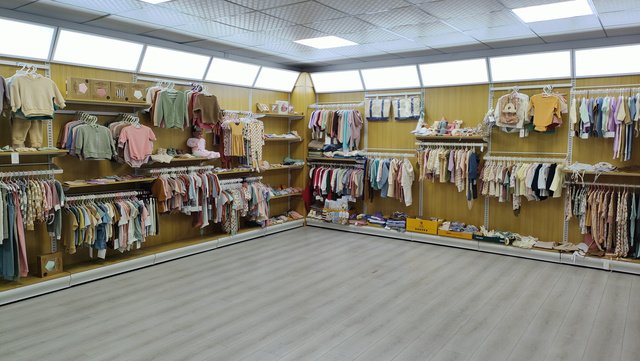
Ready-Stock Babywear
Source proven babywear styles for faster testing, smaller initial buys and repeat orders.
- Current colours & sizes
- Stock availability
- Fast dispatch
- Selected branding options

Aston Garment develops and manufactures baby and infant apparel for brands, retailers and wholesale buyers, with ready-stock styles for faster sourcing and custom production for private-label programmes.
The two routes answer different questions. Ready stock is for testing a market and re-ordering what sells; OEM/ODM is for a product that is yours. Both start here.
Source proven babywear styles for faster testing, smaller initial buys and repeat orders.
Develop your own styles, fabrics, colours, prints, labels and packaging from a tech pack, reference sample or design concept.
Fabric is the second question, not the first. These are the garment types we produce, and each one leads through to the knits it is made in.
Each family is a knit structure, and the structure decides how a garment behaves long before the pattern does — hand-feel, weight, recovery and how it takes a print all follow from the knit.
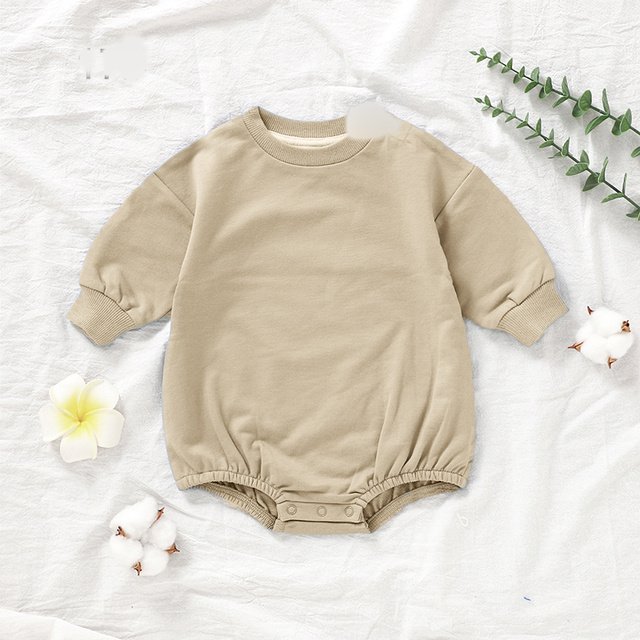
Loop-back and brushed French terry for sweatshirts, hoodies, joggers and two-piece sets — the weight that survives a toddler's day.
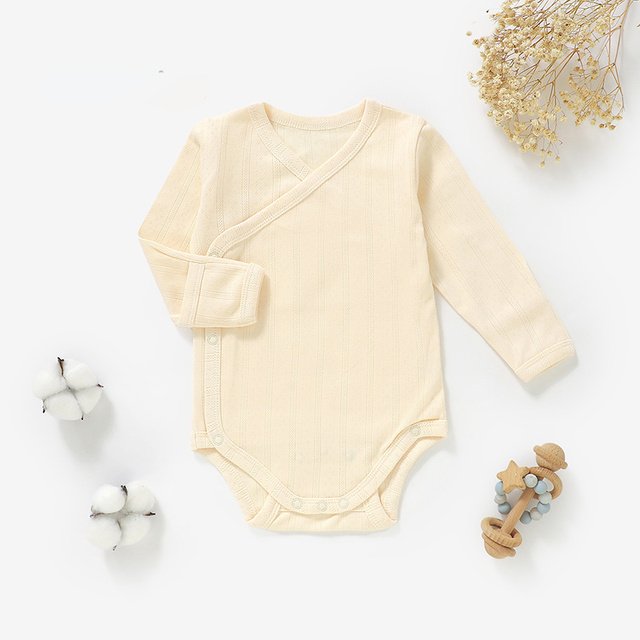
Fine-gauge pointelle with an open, airy hand — bodysuits, pants, knot hats and blankets for newborns.
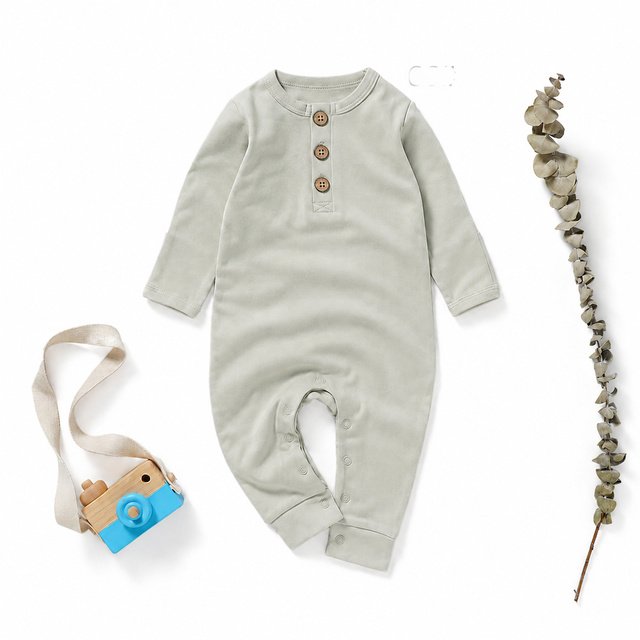
The workhorse knit for bodysuits, sleepers, bibs and pants. Smooth on both faces, no curl at the edge, no twist in the wash.
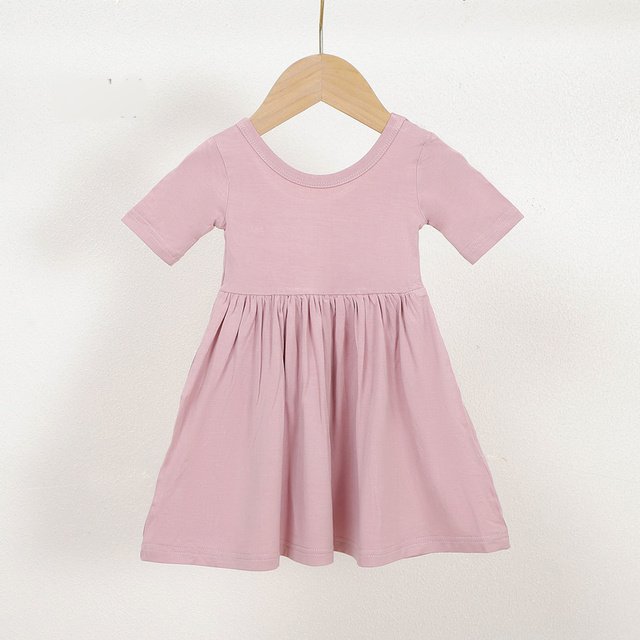
Bamboo viscose with a cool, fluid drape — dresses, rompers and two-piece sets for warm-weather ranges.
Also available in cotton jersey, rib, waffle and seasonal knitted qualities — the four families above are the ones we hold for production, not the limit of what we knit.
The badge on each card is the same one used throughout the site: stock styles are held with a low minimum, everything else in the library is available to develop.
The same eight steps whether you bring a finished tech pack or a direction and a reference image. Each one has a gate you sign off before the next begins.
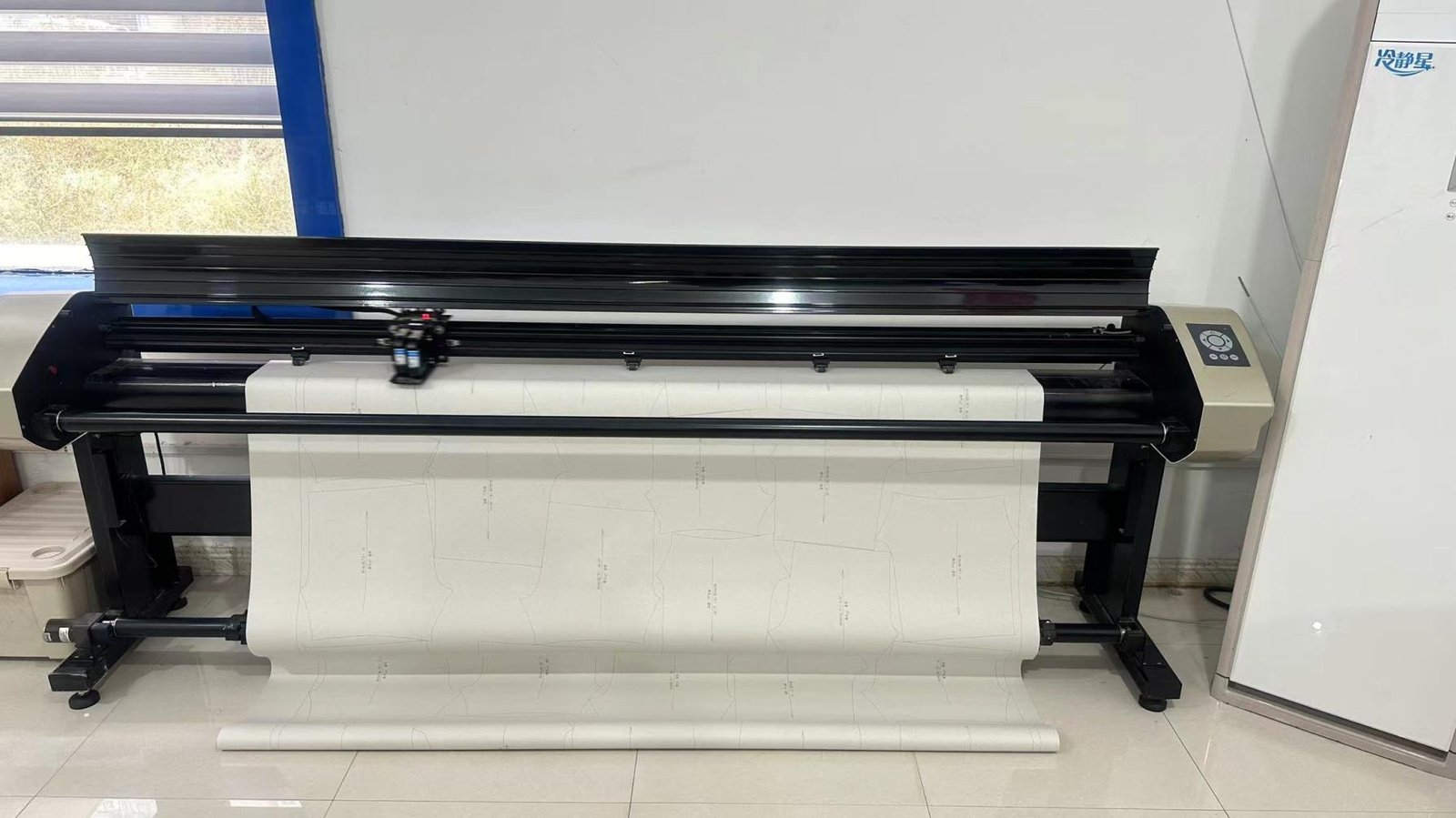
Pattern & sample
Blocks drafted and a first sample made in the sample room.
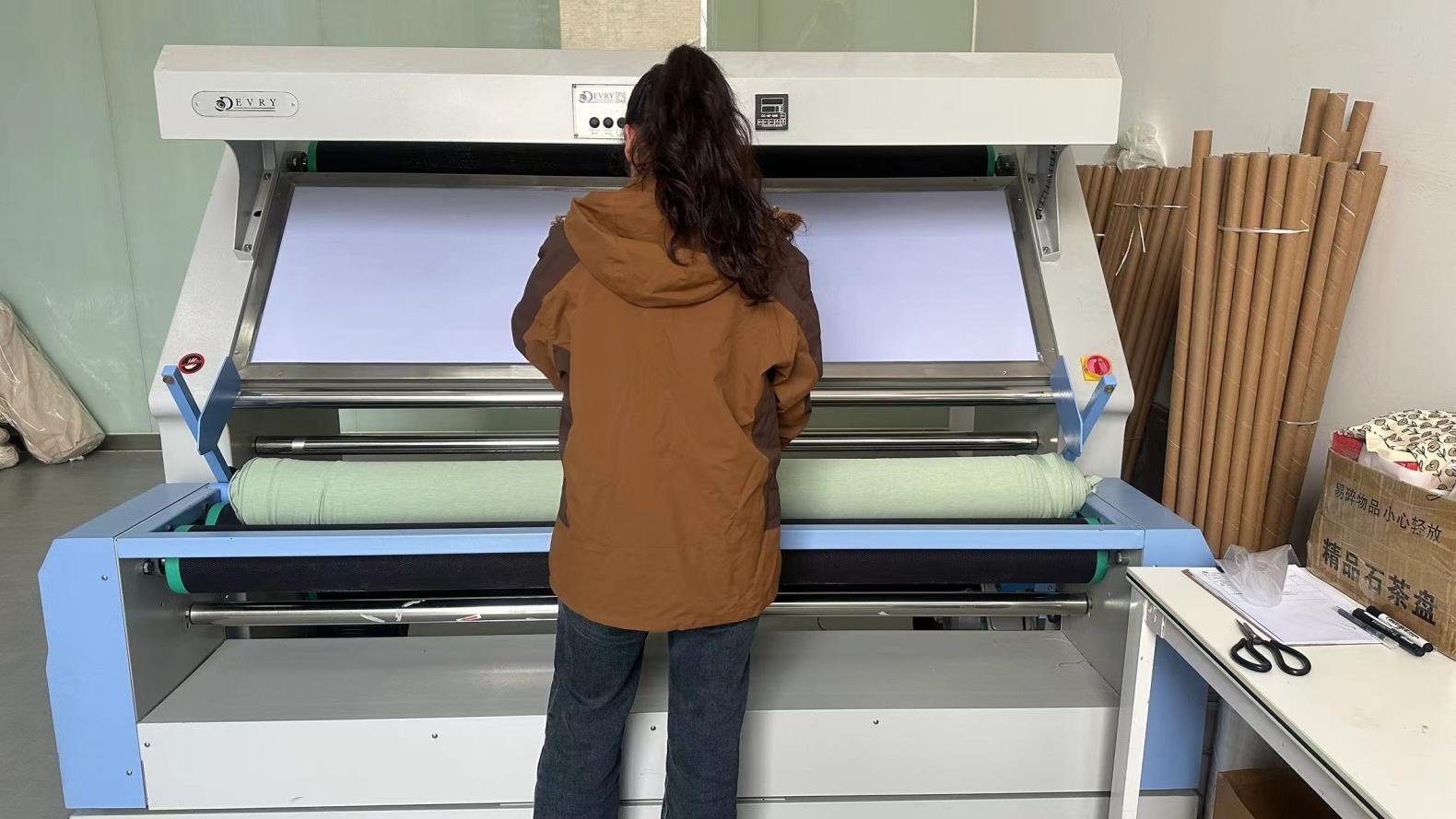
Fabric inspection
Incoming fabric checked against the approved swatch before cutting.
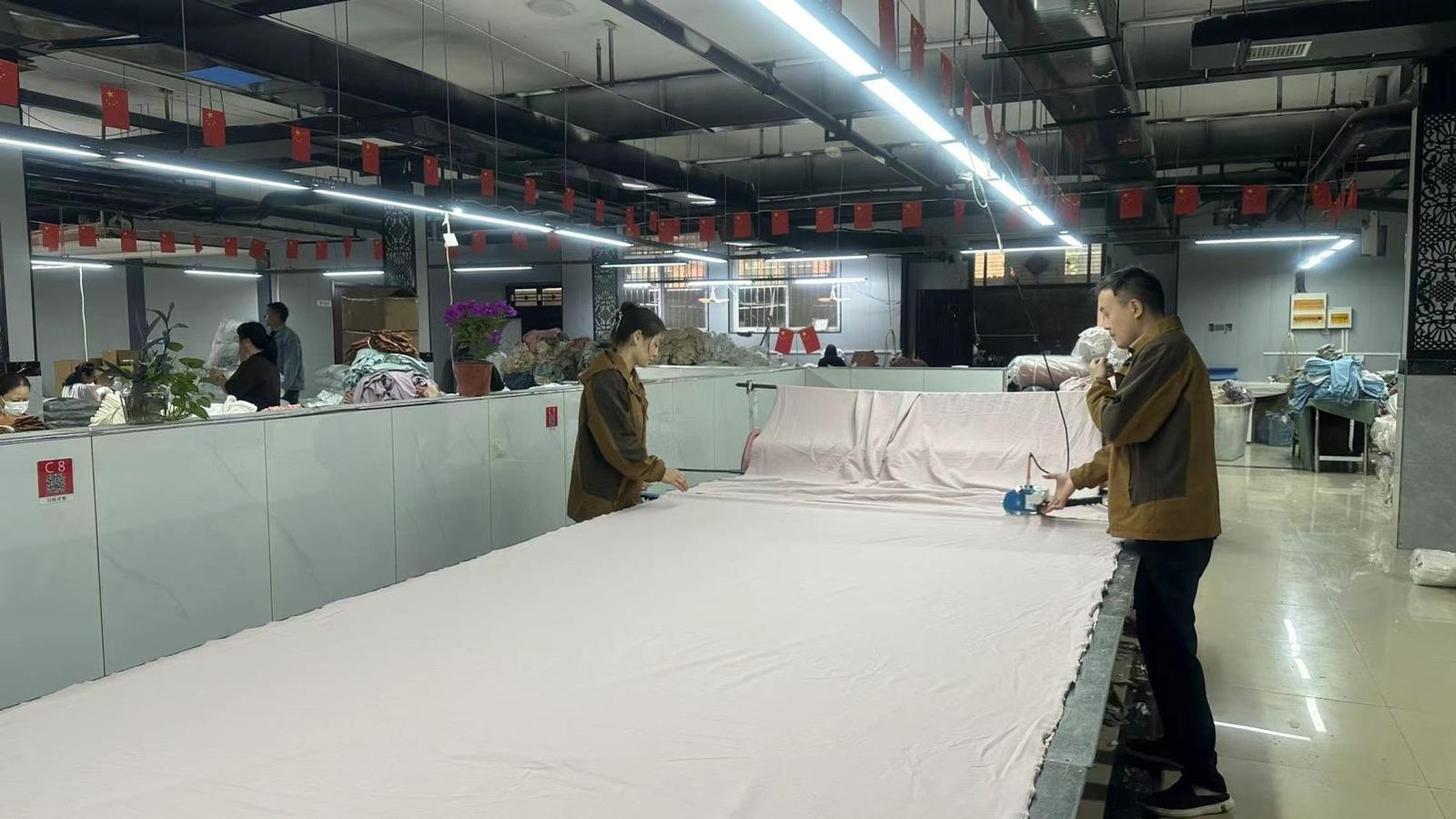
Cutting
Cut to the approved pattern and marker.
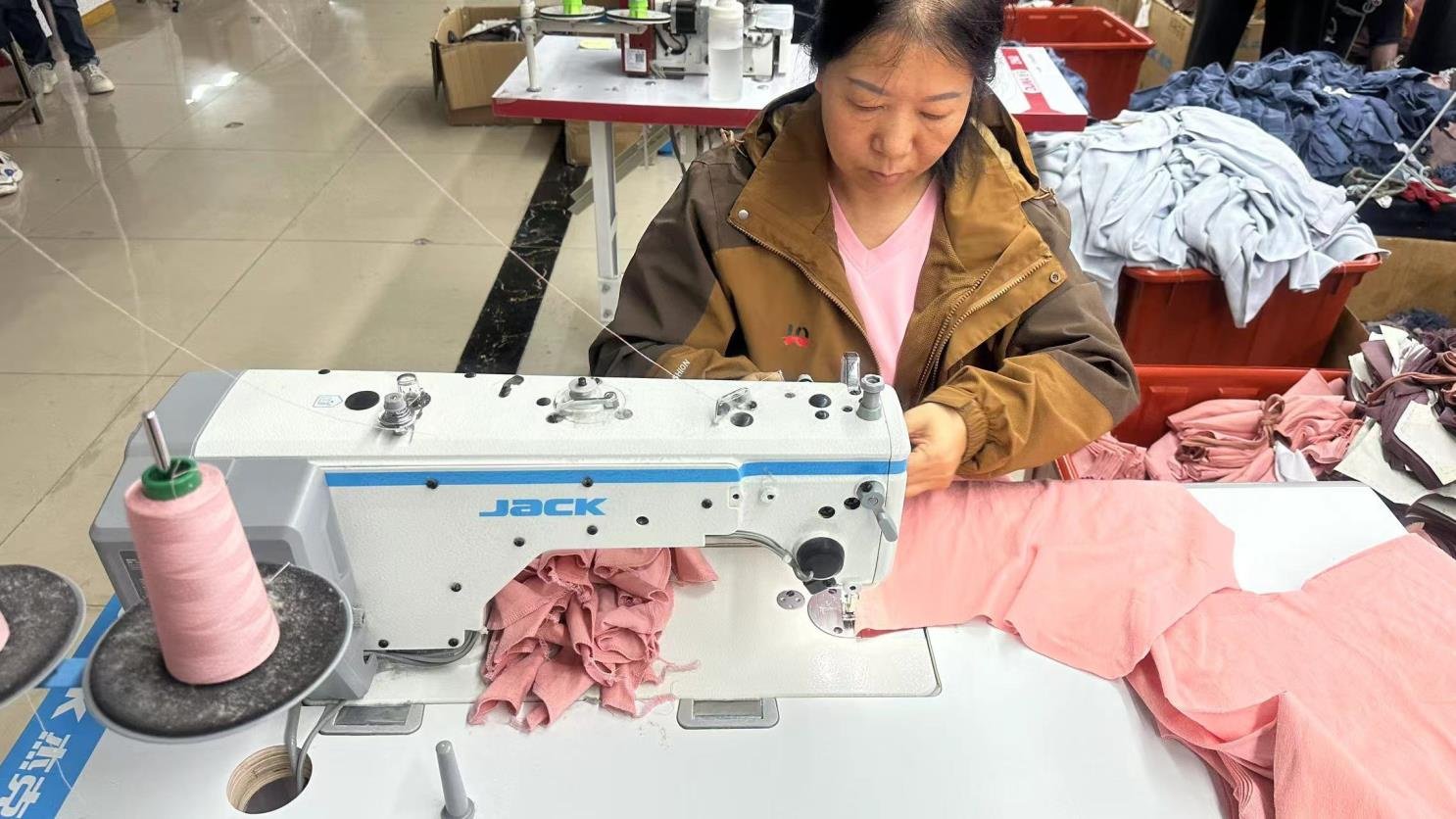
Sewing
Lines set up per style, with the construction sheet on the line.
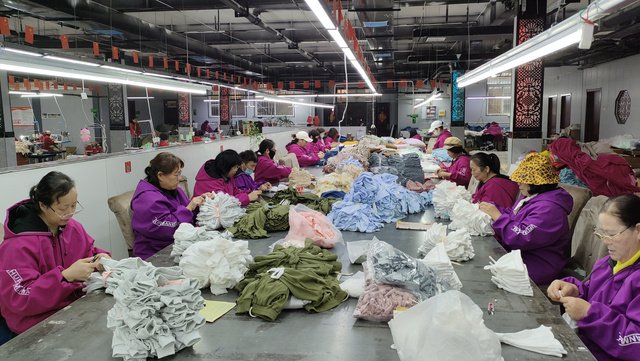
In-line QC
Checked during the run, not only at the end of it.
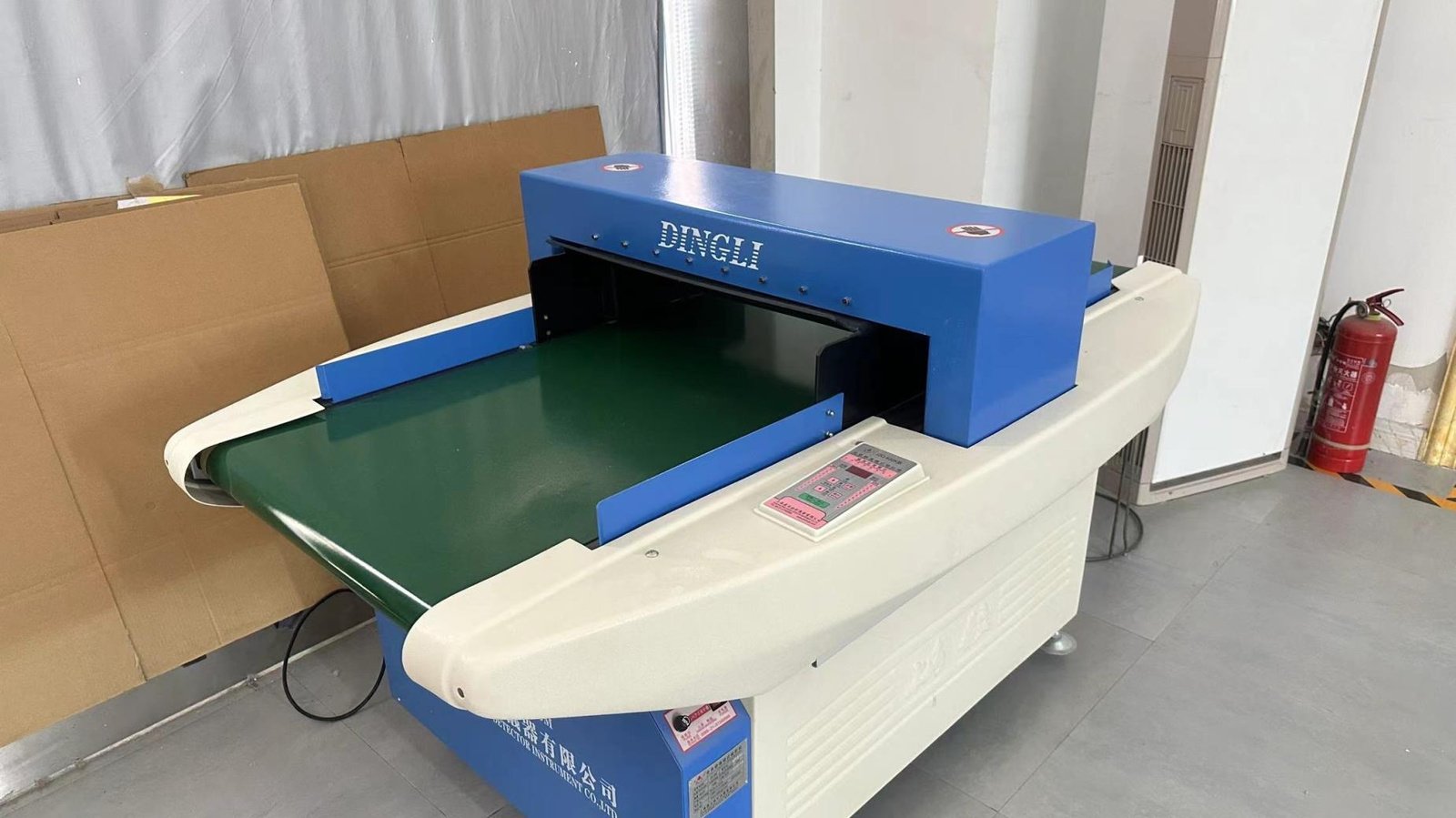
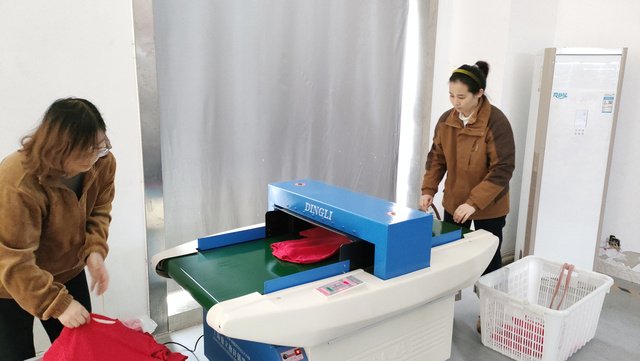
Needle detection
Performed to the production and buyer specification, and recorded.
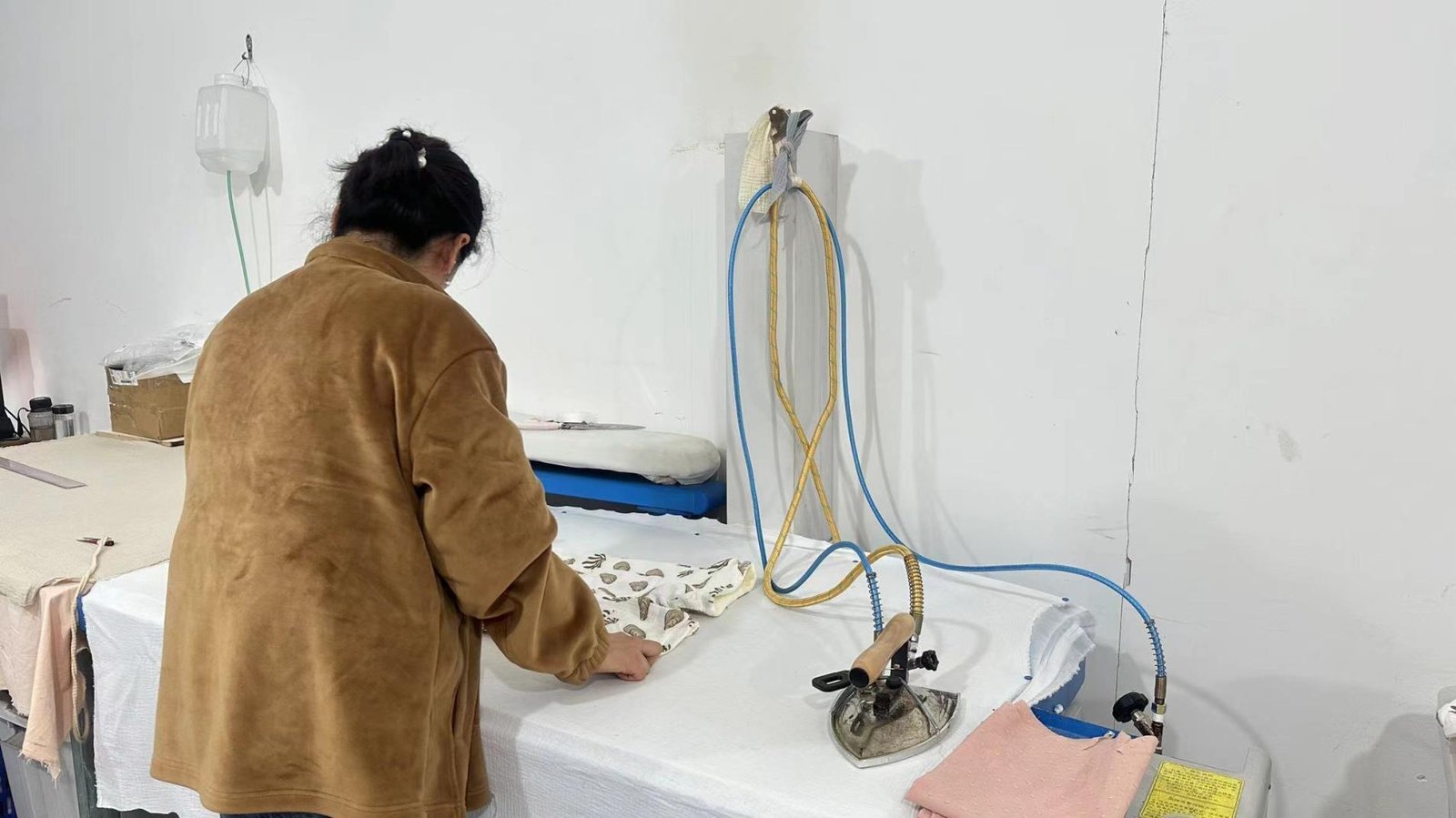
Pressing & finishing
Trimmed, pressed and folded to the packing spec.
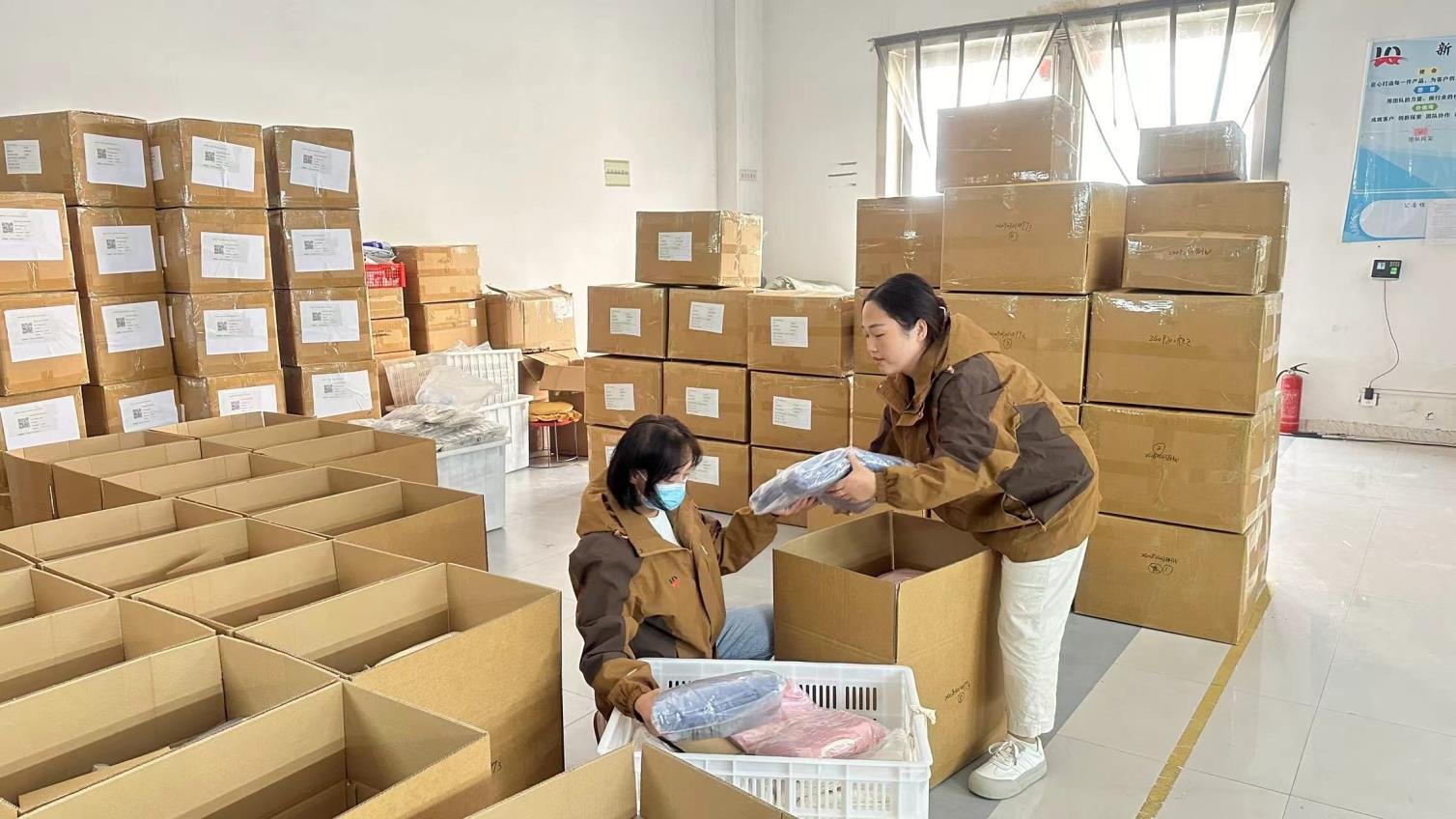
Packing & shipment
Bagged, cartoned, labelled and shipped.
None of the following is a slogan. Each one is a process you can ask to see evidence of before you place an order.
01
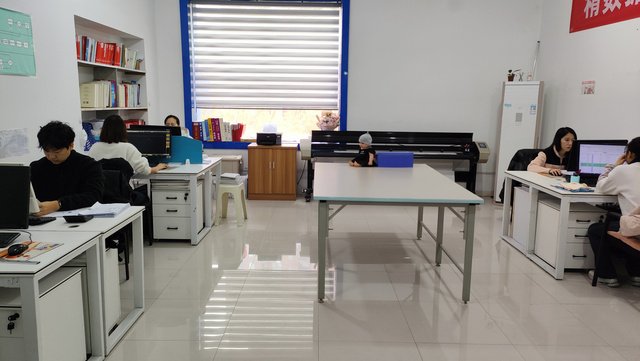
Baby and infant apparel produced in Xinxiang, Henan, since 2016, on one site: sample room, cutting, sewing, inspection and packing under the same roof.
02
Fabric inspection, in-line checking, end-line inspection and needle detection, each carried out to the order specification and recorded against it.
03
Four knit families produced to a standing specification, plus cotton jersey, rib, French terry, waffle and seasonal qualities developed to order.
04
Ready stock on selected styles for speed, with the minimum for each one printed on its product page; OEM/ODM development for a product that is yours.
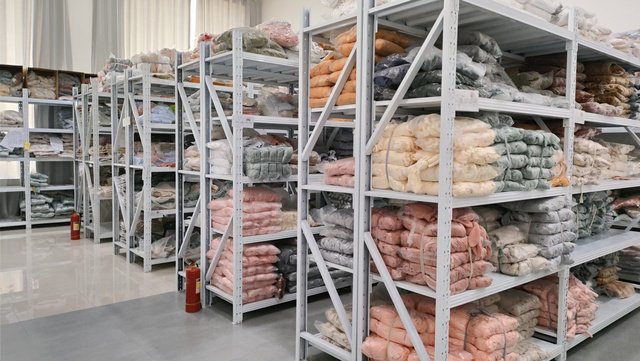
Our company grew from a knitting garment factory and evolved into the company we now are. Since 2016 we have exported to more than eighty countries throughout the world, including the United States, UK, Germany, Canada, Australia and France. The building in Xinxiang holds the sample room, the cutting floor, the sewing lines, the needle detection station, the pressing and packing area, and the fabric and finished-goods warehouses.
Compliance documents are shown with the holder, scope and validity dates, so a buyer can check what is current before ordering.
Built for baby and infant brands, boutique labels, DTC brands, retailers, wholesalers and marketplace programmes — each with a different reason to start from stock or from development. Who we work with
Sourcing guides, fabric notes and compliance explainers — no brochure copy, and no numbers we cannot source.
Sourcing · 7 min
MOQ is not a number a factory picks. It is the sum of the minimums of everything the order touches — yarn, dye lot, printing, trims. Here is how to read a quote.
Product development · 8 min
A checklist for the first enquiry: the seven documents that turn an idea into a quotable order, and the gaps that send most first enquiries back.
Product development · 7 min
Counter, fit, size set, pre-production. Each one answers a different question, and skipping one is how a bulk lot ends up wrong.
Style, quantity, fabric, colour, sizes, labelling and destination. That is enough for a real quotation — not a range, and not a guess.
MOQ varies by ready-stock style, and the current minimum is printed on each product page; ready-stock lines typically dispatch in 7–10 days. Custom orders are quoted individually because minimum quantity depends on the fabric, the colour and the trims — a stock fabric in a stock colour has a very different minimum from a custom knit in a custom dye lot. Send us the brief and we will quote the actual number.
It depends on whether the style is stock or custom. Stock ships in 7 to 10 days. Custom orders run through pattern making, sampling and approval, fabric sourcing, cutting, sewing and inspection, and the calendar is set as much by how quickly samples are approved as by how quickly we sew. We will give you a dated schedule with the quotation.
Yes — that is what the ready-to-ship programme is for. Pick a style, apply your own labelling if you want it, and test. If the style sells, the same fabric and trims are still in the building for a reorder.
Yes. A large share of the styles in the library started as a first range for someone. What we ask for is a clear brief and a decision-maker who can approve a sample.
The factory is in Xinxiang, Henan province, China, and the office address is on every page of this site. Visits are welcome — tell us the date in advance so the sample room and the line you want to see are actually running that day.


